
Concrete pipes are the backbone of modern infrastructure, essential for sewage systems, storm water management, and agricultural irrigation. If you are considering starting a production line or looking to upgrade your current facility, understanding the nuances of the manufacturing process is crucial.
In this guide, we’ll break down the professional methods used by leading concrete pipe making machine manufacturers to produce high-quality, durable pipes.
1. Raw Material Preparation
The quality of a concrete pipe starts with its ingredients. A standard mix usually includes:
- Cement: High-grade Portland cement.
- Aggregates: A mix of crushed stone and sand.
- Water: Controlled ratio to ensure the “dry cast” consistency.
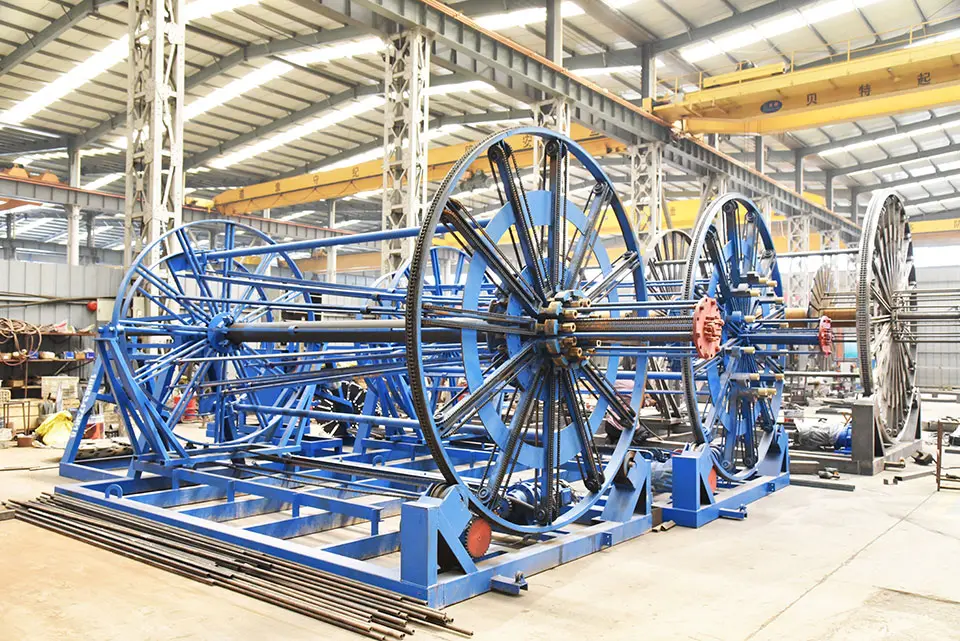
- Reinforcement: For RCC pipe making, steel wire cages are prepared using an automatic cage welding machine.
2. Choosing the Right Manufacturing Method
Depending on your budget and required output, there are three industry-standard ways to make concrete pipes:
A. Centrifugal Spinning Process
The centrifugal spinning machine rotates a mold at high speeds. The centrifugal force spreads the wet concrete against the inner wall of the mold, compacting it into a dense, smooth pipe. This is the classic method for producing the famous Hume pipes.
B. Roller Suspension Method
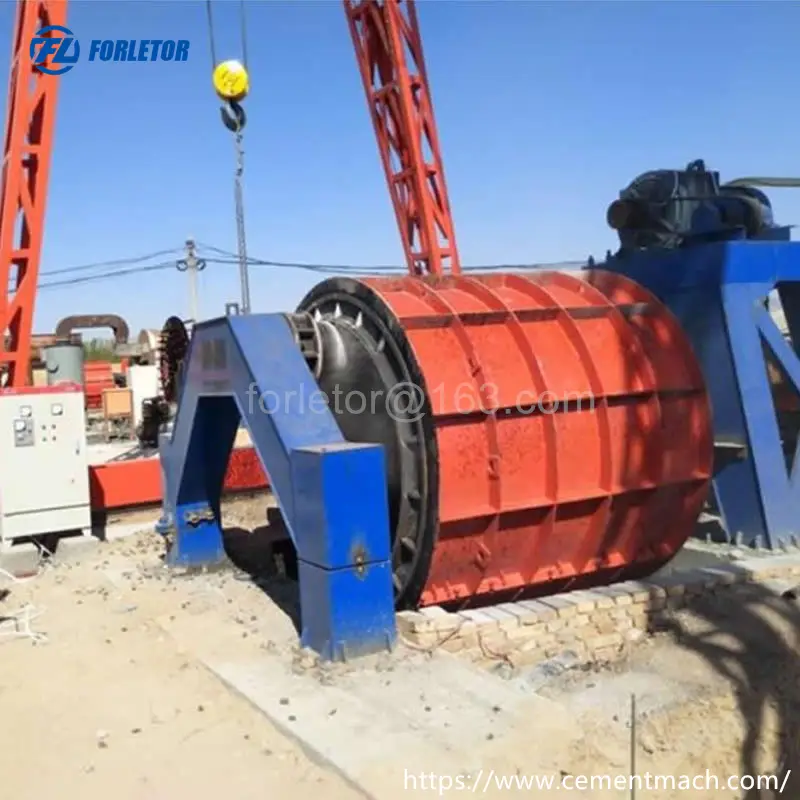
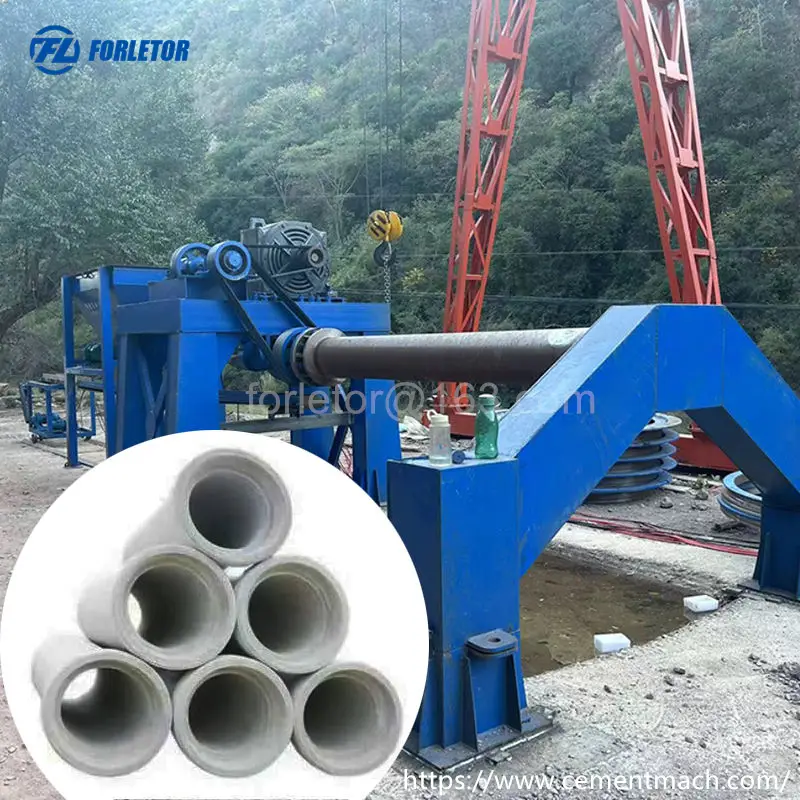
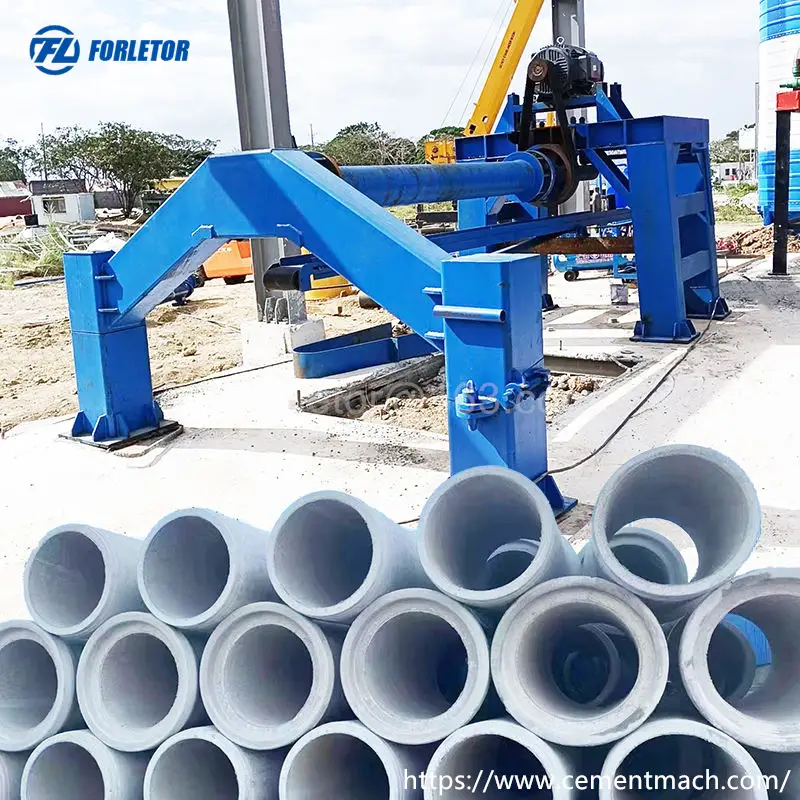
A roller suspension concrete pipe machine uses a rotating roller shaft to support the mold. As concrete is fed into the mold, the pressure between the roller and the mold wall compacts the material. It is highly efficient for medium-diameter pipes.
C. Vertical Vibration Casting
This is the modern gold standard. A vertical vibration casting machine uses high-frequency vibration and hydraulic pressure to mold pipes vertically.
- Advantage: It allows for immediate demoulding, meaning you only need one or two molds to produce dozens of pipes a day.
3. The Step-by-Step Production Process
Step 1: Reinforcement Cage Placement
For reinforced pipes, the steel cage is placed inside the concrete pipe moulds. Ensuring the cage is centered is vital for the pipe’s structural integrity.
Step 2: Concrete Feeding
The mixed concrete is transported via a conveyor to the pipe making machine. In an automatic concrete pipe plant, this process is fully synchronized to ensure an even distribution of material.
Step 3: Compaction
Whether through vibration, centrifugal force, or roller pressure, the concrete is densified to remove air bubbles. This ensures the pipe can handle the “External Load” requirements of municipal projects.
Step 4: Curing
Once formed, the pipes need time to gain strength. Most factories use steam curing to accelerate the hydration process, allowing pipes to reach their design strength within 24 hours instead of weeks.
Step 5: Quality Testing
Before leaving the factory, pipes must pass a concrete pipe testing machine (three-edge bearing test) to ensure they won’t crack under the weight of soil and traffic.
4. Key Equipment for a Successful Plant
To set up a competitive production line, you will need more than just the main machine. Consider these essentials:
- Concrete Batching Plant: For precise mixing.
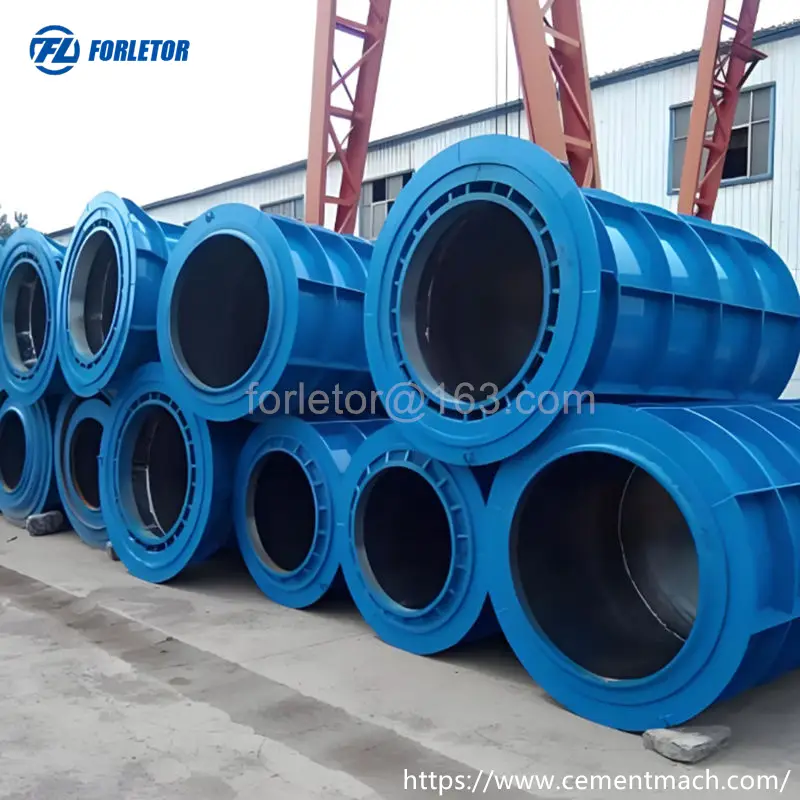
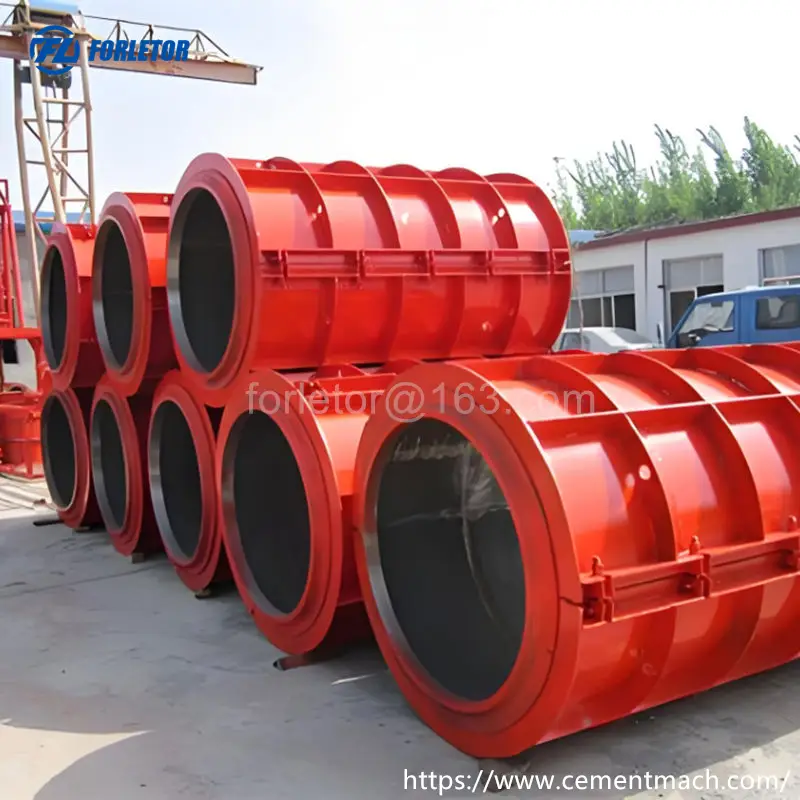
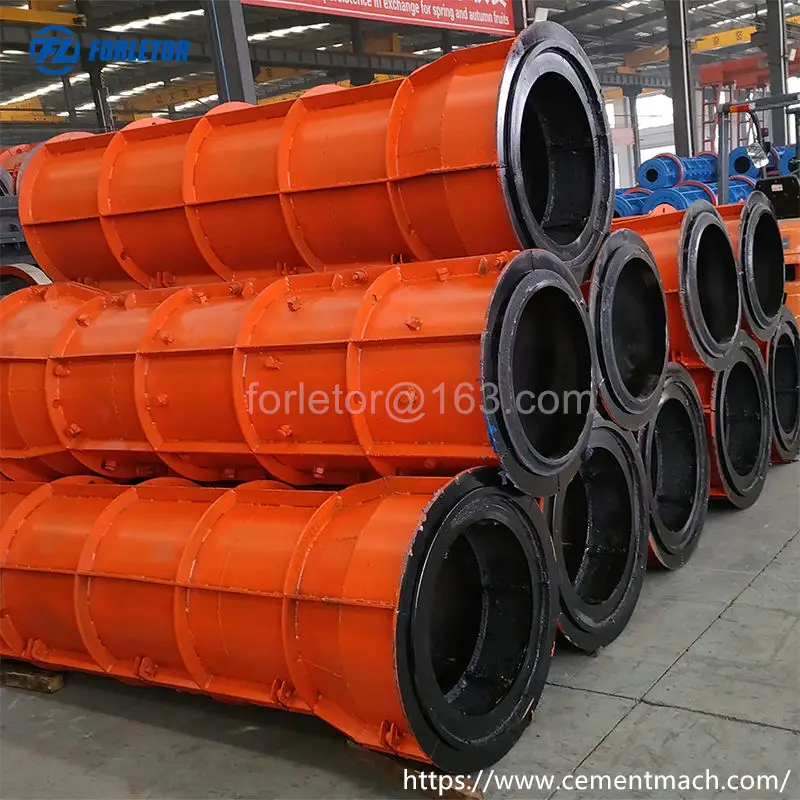
- Pipe Moulds: Available in Spigot and Socket or Tongue and Groove designs.
- Reinforcement Cage Welder: To automate the steel skeleton production.
Conclusion
Learning how to make concrete pipes is a blend of understanding material science and choosing the right machinery. As urbanization increases globally, the demand for sewage pipe making machines and stormwater drainage solutions continues to grow.
Are you looking to invest in a Concrete Pipe Making Machine? Whether you need a large diameter pipe machine or a fully automatic RCC plant, choosing a reliable supplier is the first step toward a profitable business.
Pro Tip: When requesting a quote, always specify the pipe diameter range (e.g., 300mm to 2000mm) and the joint type you require!